A docker container is a software package that contains all the files (codes, libraries, settings, etc.) that an application needed to run. Docker containers can be run on any physical or virtual machine using docker engine. Containerization is a reliable process for deploying and testing software that ensures compatibility with other machines configuration settings[1].
How does Docker Container Work?
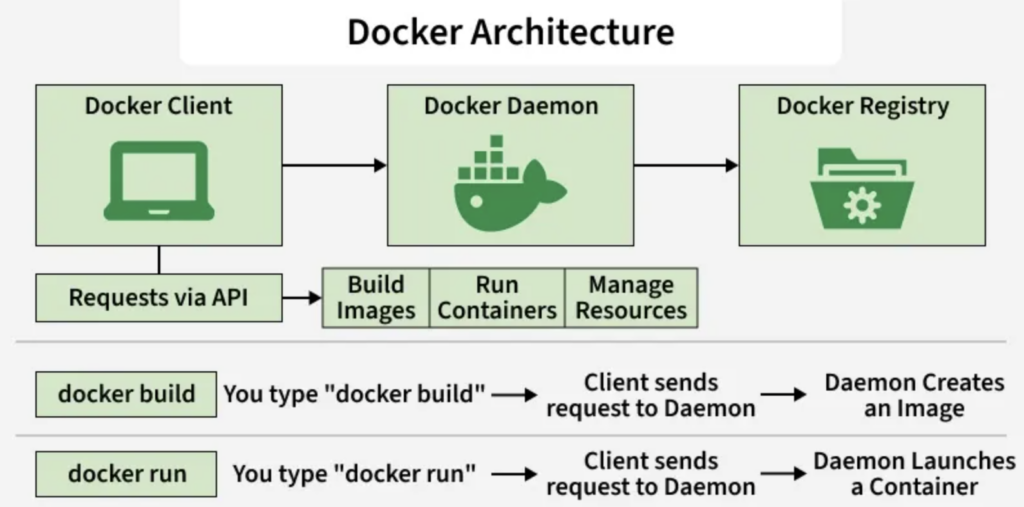
The process starts with defining a docker file, a document that contains the application’s content and all the instructions for how to build a docker image, install and configure the application. A container engine is then used to create a docker image, which is a read-only portable image to be stored in the docker registry. When a user executes the docker run command, the docker engine launches the container as an isolated process in the host machine, allowing better control and management of resources[2].
Benefits of Using Docker Containers
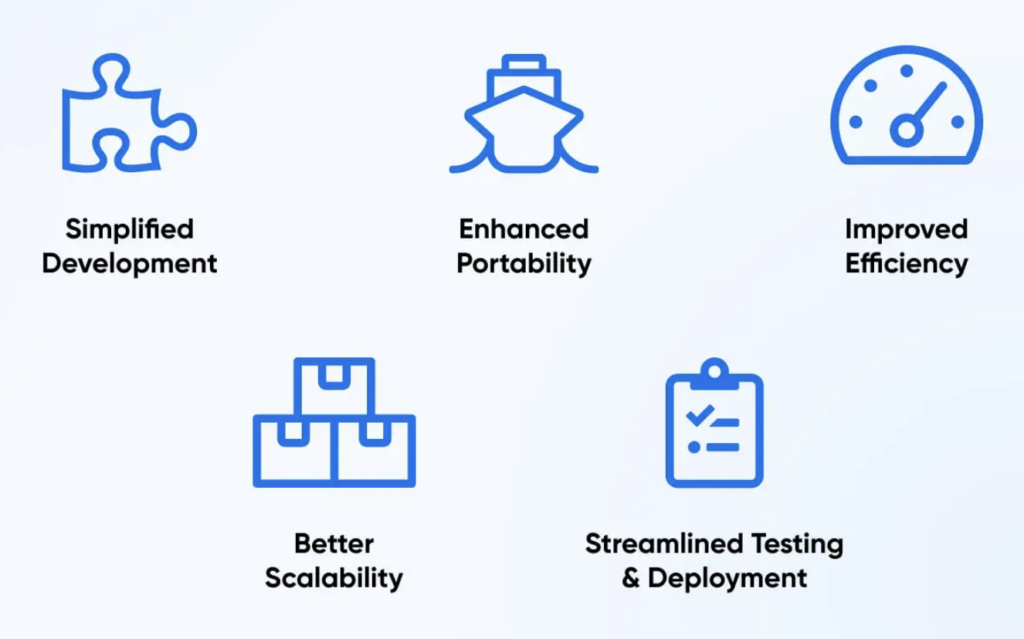
Docker containers are widely used in software development to help streamline testing and deployment process. It allows developers to create an environment for testing without worrying about compatibility or impact to the production environment. The advantage of using docker containers is that it is resource efficient. These containers are lightweight and use fewer resources compared to virtual machines because they are able to share the same host machine operating systems (kernel). Docker containers can be replicated and scaled horizontally, adding or removing instances, due to their lightweight nature. They are designed for portability and can be run across different environments, from testing to production and clouds, with consistent and reliable software performance[3].
References:
- [1] “What Is a Container?” Docker, 24 Nov. 2025, www.docker.com/resources/what-container/.
- [2] “Containerization Using Docker.” GeeksforGeeks, 6 Aug. 2025, www.geeksforgeeks.org/blogs/containerization-using-docker/.
- [3] Andrus, Brian. “What Is Docker? Unpacking This Popular Application Platform.” DreamHost Blog, 2 Apr. 2024, www.dreamhost.com/blog/what-is-docker/.
Leave a Reply