Category: My Life

  • My Viet Food Guide

    Delicious Vietnamese noodle soups that are not Pho

    Bún bò Huế – Hue Beef Noodle Soup
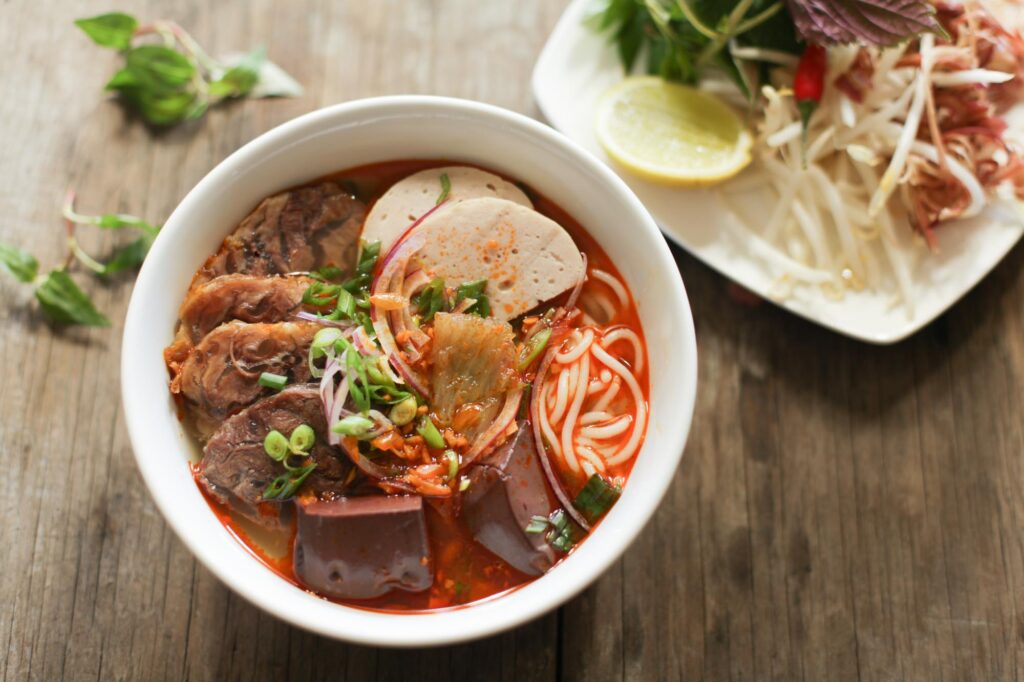
    Image from Hungry Huy, Bún Bò Huế Recipe – Spicy Beef & Pork Noodle Soup

    Bún bò Huế is a flavorful noodle soup originate from the the city of Huế, the former capital of Vietnam and my mom’s hometown. The dish is known for its rich broth made from beef and pork bones. What makes this dish special is the use of fermented shrimp paste, which gives it its distinctive strong smell and bold taste, making it less popular to foreigners. The dish’s toppings include thinly sliced beef, Vietnamese pork sausage and congealed pig blood. This dish is often served with a side platter of fresh herbs and vegetables.

    Bún riêu – Crab Noodle Soup
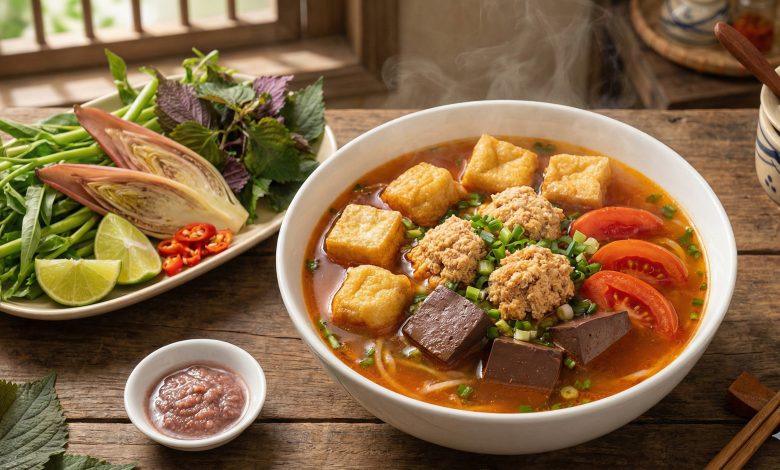
    Image from My Viet Kitchen, Vietnamese Crab Noodle Soup (Bún Riêu Cua) – Authentic Recipe Guide

    Bún riêu is a noodle soup made with pork-bone and seafood based broth. Its reddish-orange color is a combination of shrimp head fat, tomatoes and annatto oil. What makes this dish unique is a special topping in the form of “meatball” made from crab meat, shrimp and eggs, which floats to the top of the soup when it cooks. Other ingredients include fried tofu, congealed pig blood and tomatoes. Similar with other Vietnamese noodle soups, this dish is served with a side fresh herbs and vegetables. Shrimp paste can also be added for enhanced flavor.

    Bún măng vịt – Duck Noodle Soup with Bamboo Shoots
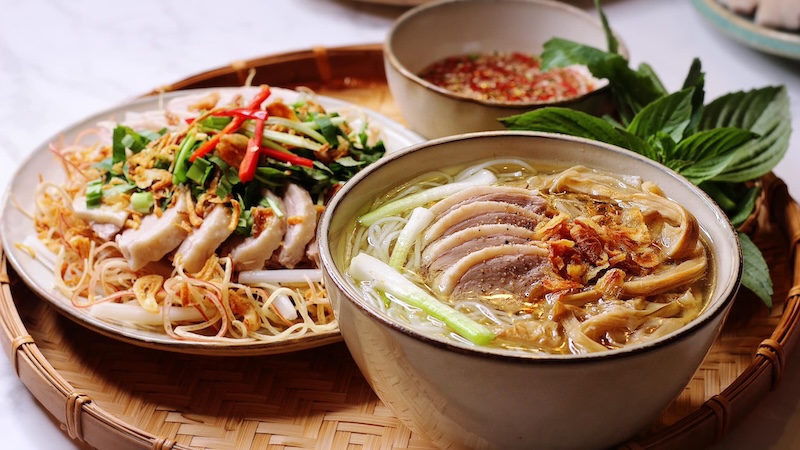
    Image from Vào Bếp Cùng Diễm Nauy

    Bun Mang Vit is a Vietnamese rice vermicelli duck noodle soup with bamboo shoots. As the name suggests, the broth based is made from shimmering whole duck and saute bamboo shoots, giving it a savory-sweet flavor. Duck slices are served with a special dipping sauce made of ginger, fish sauce, sugar and hot chillies. Instead of herbs and vegetables, this dish is often enjoyed with a side of salad consists of shredded cabbage, onion and Vietnamese coriander dressed with sweet-and-sour vinegar.

    Mì Quảng Phan Thiết
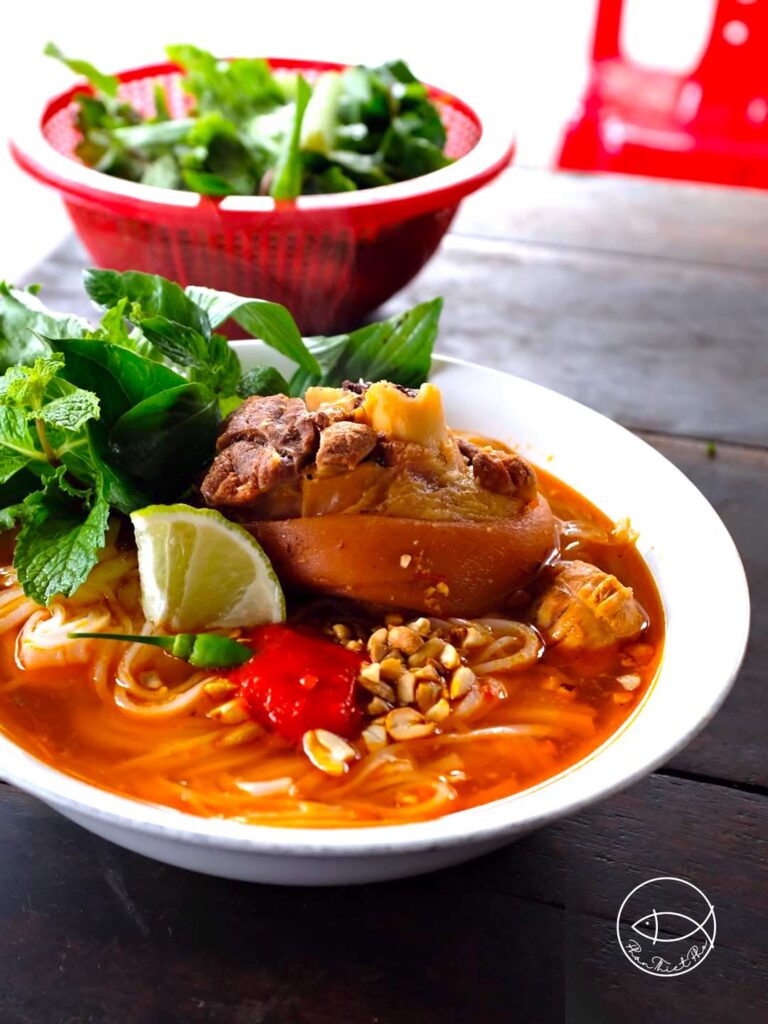
    Image from PhanThietVn

    My personal favorite is Mì Quảng Phan Thiết. Mì Quảng is a noodle soup originates from the central region of Vietnam, Quảng Nam province. Each region of Vietnam has a different version of the dish. My hometown, Phan Thiết, is closer to southern Vietnam, which is characterized by a sweeter flavor profile compared to provinces in the central region. The version of the dish that I’m familiar with has a greater volume of soup compared to the original and is served with white rice noodle similar to Pho. The soup color is reddish orange from annatto oil and chili sate paste. Toppings include pork slices and pork trotters with a sprinkle of peanuts and lime for extra flavor.

    In contrast, the original dish has a golden yellow soup color primarily from turmeric, and is served with poached shrimp and sliced pork belly paired with crispy black sesame rice crackers. The noodle also has a golden-yellow color and is much thicker compared to Pho noodle. Below is an image of the original version of the dish.
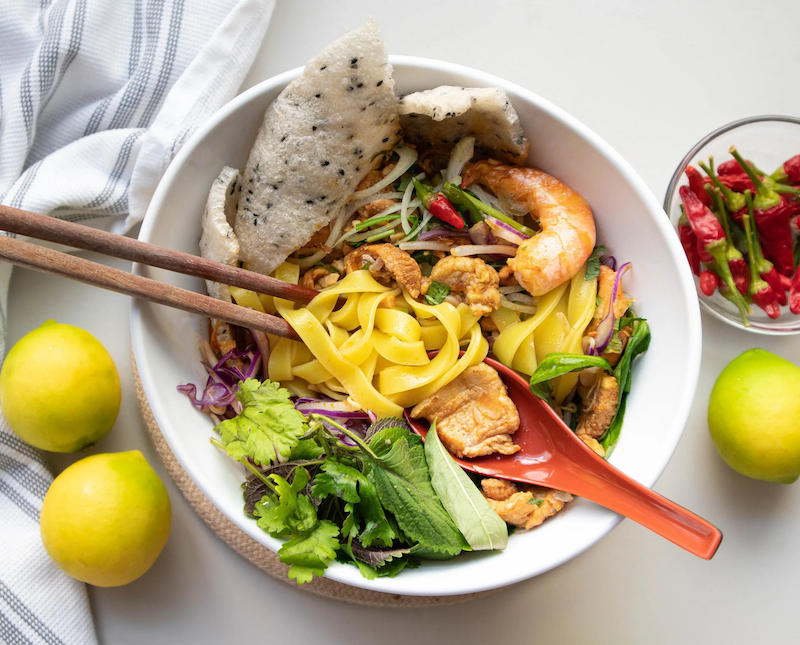
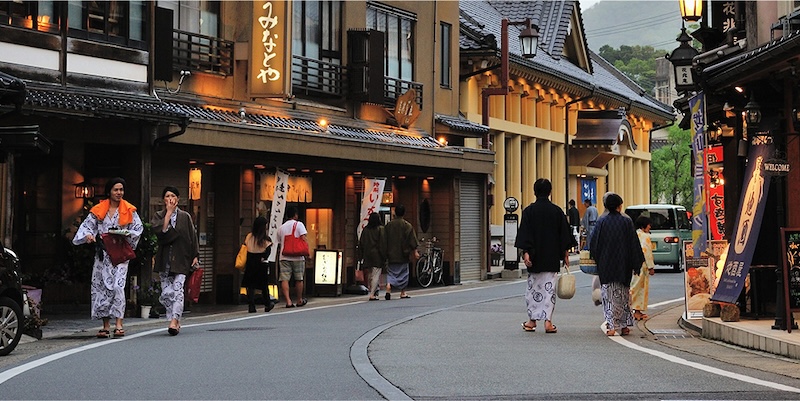
    Image from Vicky Pham, Central Vietnam Must-Eat Noodle Dish: Mi Quang
  • My Spring Break Plan

    I was planning for an upcoming spring break trip to Japan when I came across a video about staying in Kinosaki Onsen and decided to add it to my itinerary. Kinosaki Onsen is a 1300 year-old traditional hot-spring town in Toyooka, Hyōgo Prefecture, about 3 hours train ride from Osaka. The town is known for the seven public hot-springs, all tattoo-friendly, where visitors can enjoy bath-hopping and strolling through the town in yukata (traditional bathrobe) and geta (traditional wooden clogs).

    Image from Visit Kinosaki, “Strolling the Town in Yukata”

    Scenery

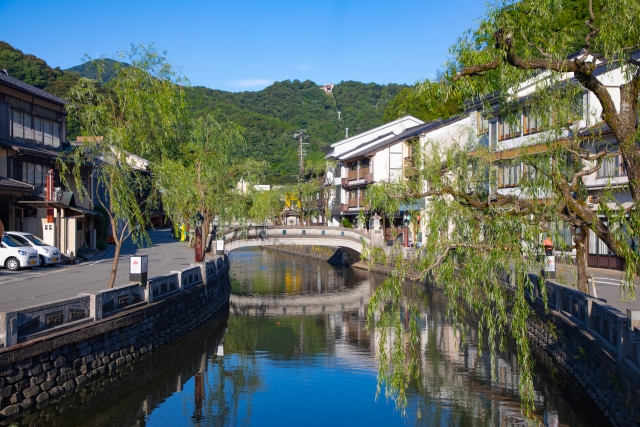
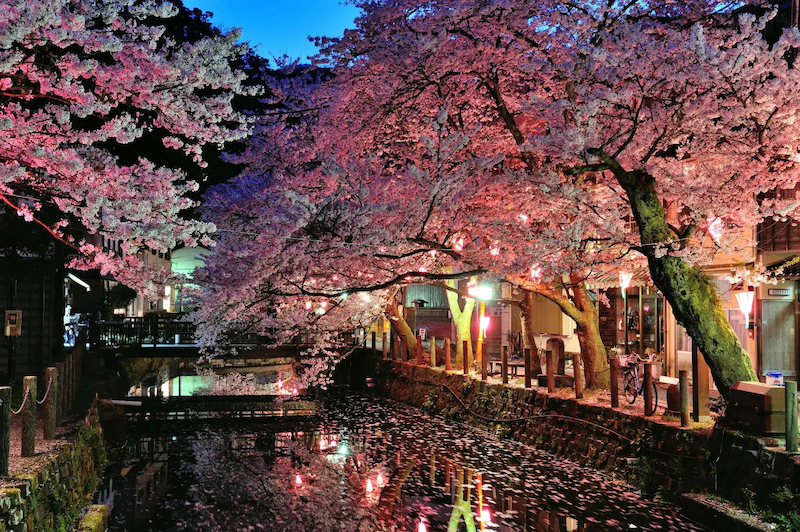
    The town offers a picturesque willow-lined canal with a tranquil, old-world feel, especially at night. In the spring, cherry blossoms can be found in the quiet path of Kiyamachi street along the Otani River, illuminated by pink lanterns in the evening offering a romantic and scenic stroll.

    Image from Japan Food Guide, “Cherry Blossoms in Kinosaki Onsen: Enjoying the Breathtaking Spring Scenery in the Onsen Town”
    Image from Visit Kinosaki, “Hot Springs and Cherry Blossoms”

    Ryokan Stay

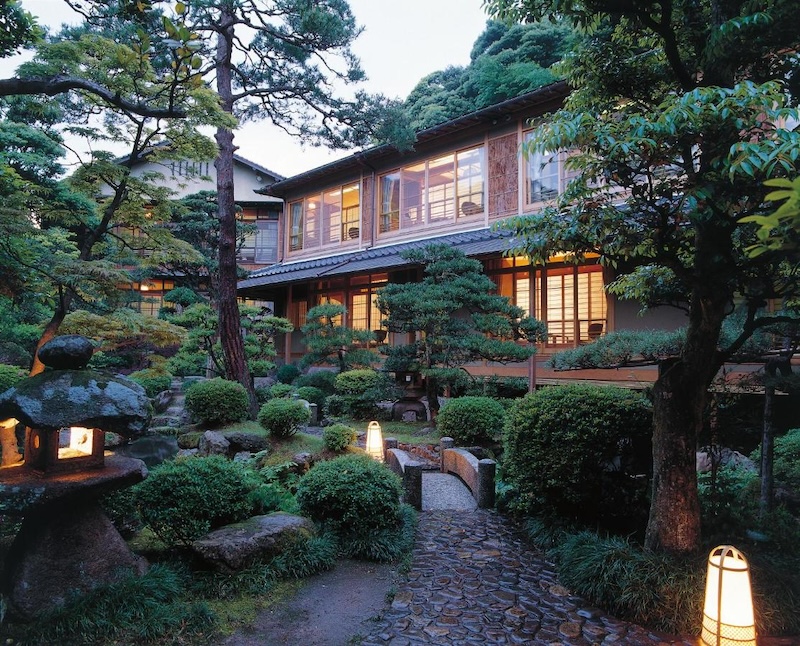
    The town operates with the concept of one big ryokan (traditional Japanese inn), an interconnected inn where streets act as hallways, hotels as guest rooms and the seven onsens as communal baths, creating a seamless immersive experience for visitors. All traditional inns in town offer free passes for hotel guests to visit the seven public onsens.

    Image from TripAdvisor, Kinosaki Onsen Nishimuraya Honkan

    Local Cuisine

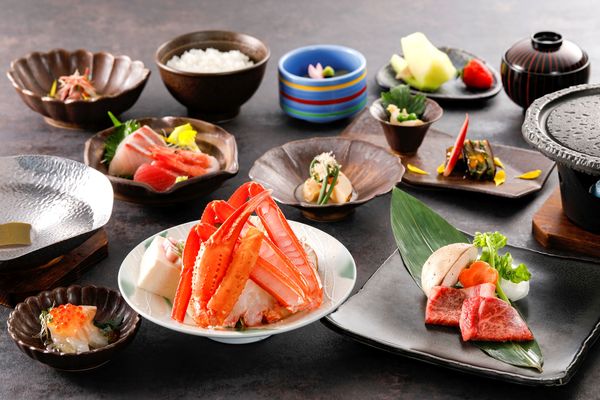
    Kinosaki Onsen is most famous for Matsuba crab (snow crab) and high quality Tajima beef (the precursor to Kobe beef). All ryokan (inn) in town offers kaiseki dinner, which is a traditional multi-course meal featuring the best seasonal local ingredients.

    Image from Visit Kinosaki

    Kinosaki Ropeway

    Aside from soaking in the hot-spring water and enjoy local cuisine, visitors can hike or take the cable car to the summit of Mt. Daishi for panoramic views of the town and the Sea of Japan. The ropeway provides access to the historic Onsenji Temple. It was a well known rule (but no longer kept) that visitors to Kinosaki Onsen must travel up to the mountain to the Onsenji Temple, pray for permission and learn the proper way to enter the hot-spring.

    Image from Visit Kinosaki, Ropeway

    Kinosaki onsen is becoming increasingly popular to international tourists in recent years but still remains much less crowded compared to other hot-spring towns due to its distance from major cities. It is possible to do a day trip to Kinosaki Onsen from Osaka or Kyoto but it is best to stay at least a couple nights to relax and allow time to fully explore the town.

  • My First Hometown

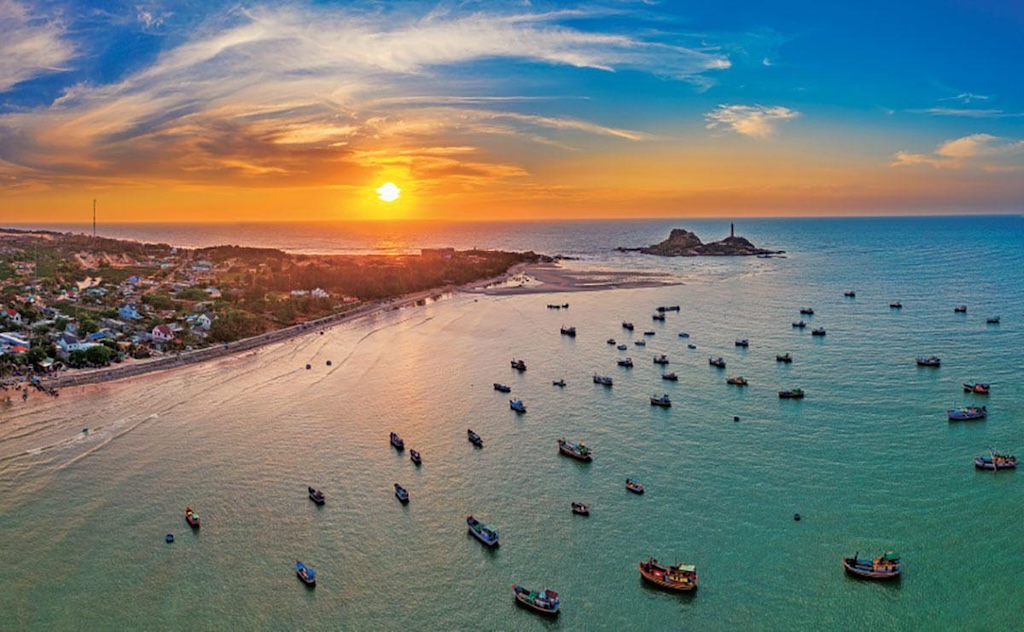
    Image from Vinpearl, “Phan Thiet, Vietnam: A tropical paradise with golden sunshine and dry wind”

    While I’ve lived in Seattle for more than half of my life and I consider the city my second hometown, my first hometown where I was born and raised is Phan Thiet, a coastal city in Southeast Vietnam and the capital city of what used to be Binh Thuan Province before the restructure in 2025.

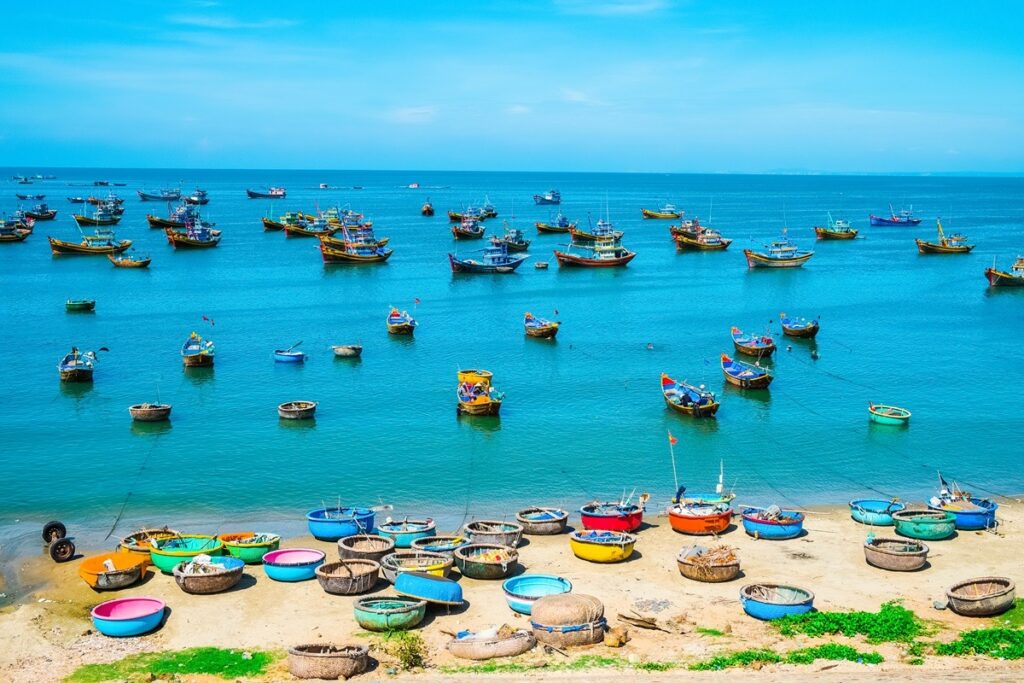
    Image from Agoda, “Welcome to Phan Thiet: A Journey Through Culture and Serenity”

    Being a coastal city, Phan Thiet is known for fishing villages with vibrant colorful boats and outdoor fish markets where the locals would buy and sell fresh seafood everyday. As a child, I remember days where my family would go to the beach as early as 5am where I and my siblings would go play in the water and the sand while my mom would go shop for seafood. Phan Thiet has a tropical savanna climate, characterized as hot, dry and windy. In contrast to Seattle or the U.S. where people would go to the beach when it’s hot and sunny out, Phan Thiet locals go to the beach early in the morning or late in the afternoon to avoid sun exposure.

    Image from Vinpearl, “Sand dunes in Mui Ne: Best spots for unique desert experiences in Vietnam”

    Phan Thiet is also famous for red and while sand dunes located 25 kilometers from the city center where tourist can enjoy jeep tour riding through the desert or sliding down the sandy hills. It is a perfect destination for photography and capturing the sunset.

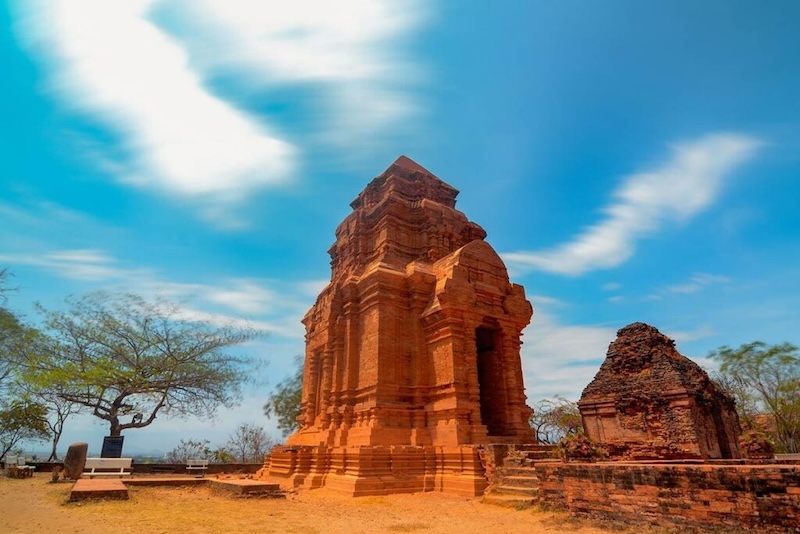
    Image from Vietnam Luxury Travel, “Poshanu Cham Towers: A Timeless Symbol of Champa Culture in Phan Thiet”

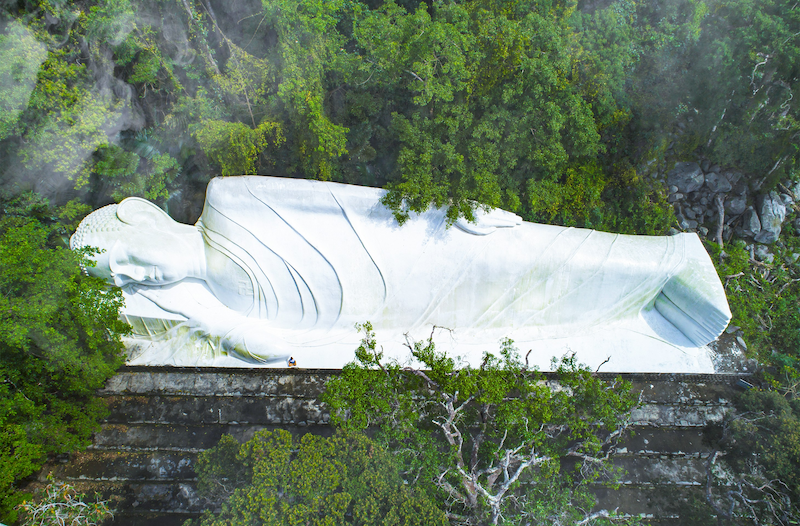
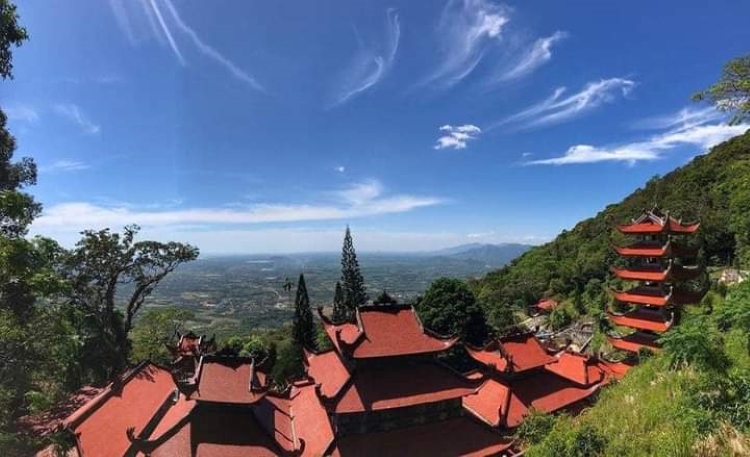
    The city also offers rich culture and history with famous landmarks such as Poshanu Cham Towers and Ta Cu Mountain & Lying Buddha.

    Poshanu Cham Towers are a symbol of Champa culture influenced by Hinduism and Buddhism. These towers are characterized by ancient red-brick structures built by the Champa Kingdom in the 8th-century to worship Hindu deities.

    Ta Cu Mountain is home to Linh Son Truong Tho Pagoda and the longest Lying Buddha statue in Vietnam. The Lying Buddha statue is surrounded by lush green forest and sacred spiritual atmosphere. Visitors to the mountain and choose to hike, which takes an average between 2-3 hours, or enjoy a 10-minute cable car ride up to the temple.

    Lying Buddha, Image from Du Lich Thanh Pho Ho Chi Minh
    Linh Son Truong Tho Pagoda, Image from Du Lich Thanh Pho Ho Chi Minh

    Phan Thiet is becoming a popular tourist destination in recent years with lots of new resorts being built for private beach experience. I haven’t had a chance to revisit some of these places since moving the States but I would hope the city is able to retain its natural beauty alongside boosting tourism.

  • My Hobbies

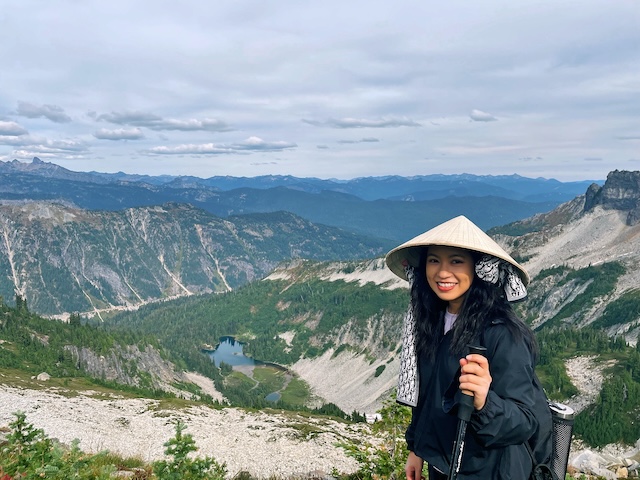
    I enjoy going hiking in the summer for nature and scenery of alpine lakes. Currently, school and work keep me busy but if I have free time on the weekend I like to learn new cooking recipe or watch television series and just spend time with friends and family.

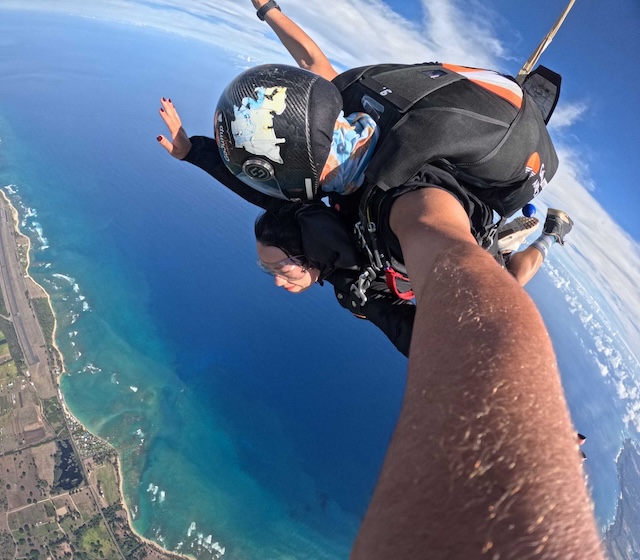
    I don’t have very many unique hobbies but I like trying new things and gain new experiences, whether it be trying new food from a different culture or traveling to a new town. The picture above was taken during my trip to Hawaii when I went skydiving. It was a very memorable once in a lifetime experience and the scenery of the island from above was definitely one of the best views I’ve ever seen in my life.

  • My Career

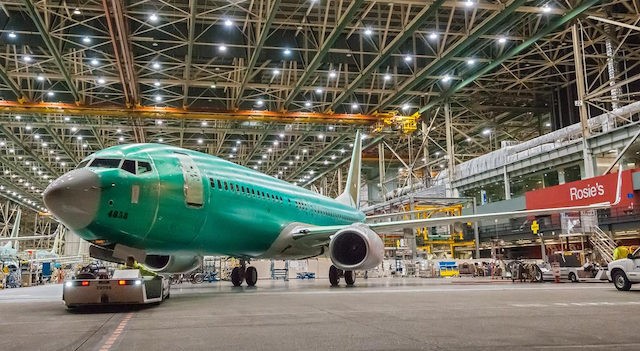
    I am a mechanical engineer with over five years of work experience in design development. I am currently working as a Structural Design Engineer on wing leading/trailing edges and winglet team for Boeing 737 program. Prior to joining the airframe team, I have also worked in payloads where I was responsible for designing interior commodities including windscreen, closet, partitions, class dividers, etc. I find engineering challenging but also rewarding because there is always something new to learn and I enjoy getting to understand how things work.

    Image from Marissa Nall via Puget Sound Business Journal

    Before Boeing, I’ve also worked for a smaller company called Sekisui Aerospace where I was involved in design development for a 777 passenger to freighter conversion program. As a design engineer, I get to work on the initial concept development and follow through the entire process from manufacturing to installation of the final products, supporting production as well as airline customer in troubleshooting in-service issues.